Skateboarding has always been about reinvention, from the moment battered wooden boards first hit the pavements of California to the day Tony Hawk turned tricks into a global phenomenon. Now, a new chapter is unfolding on the streets of Britain, one where battery packs and motors sit quietly beneath decks that still carry the same soul as their analogue ancestors. The e-skate, as it has come to be known, is not a gimmick or a passing fad. It is the natural next step for a culture that has spent decades reinventing itself, and it is winning over sceptics and enthusiasts alike across London and beyond.
What to know
- The e-skate represents a natural evolution of skateboarding by integrating motors and batteries while maintaining the classic design and aesthetic of traditional boards.
- By retaining familiar components like decks and trucks, e-skates offer a seamless transition for traditional skaters while appealing to new demographics.
- Electric skateboards are increasingly popular in Britain as a practical, efficient alternative for urban commuting, allowing riders to cover distances with less physical exertion.
- The e-skate market is gaining significant traction, attracting interest from luxury brands and leading to a surge in sales across skate-related equipment and apparel.
- The growth of e-skate communities and competitions mirrors the sport's journey toward Olympic recognition and a more inclusive, diverse culture.
- Pro skaters and historical figures continue to influence the trajectory of modern skating, helping to bridge the gap between traditional freestyle roots and the new electric era.
The Revolution of Skate Culture: Merging Tradition with Electric Innovation
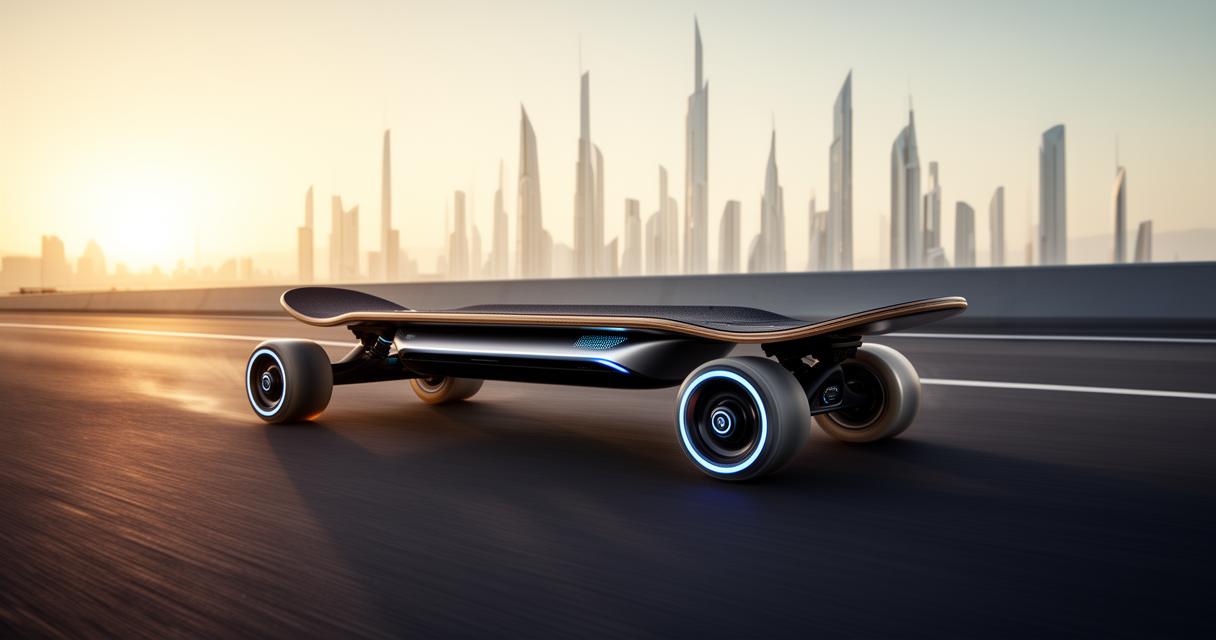
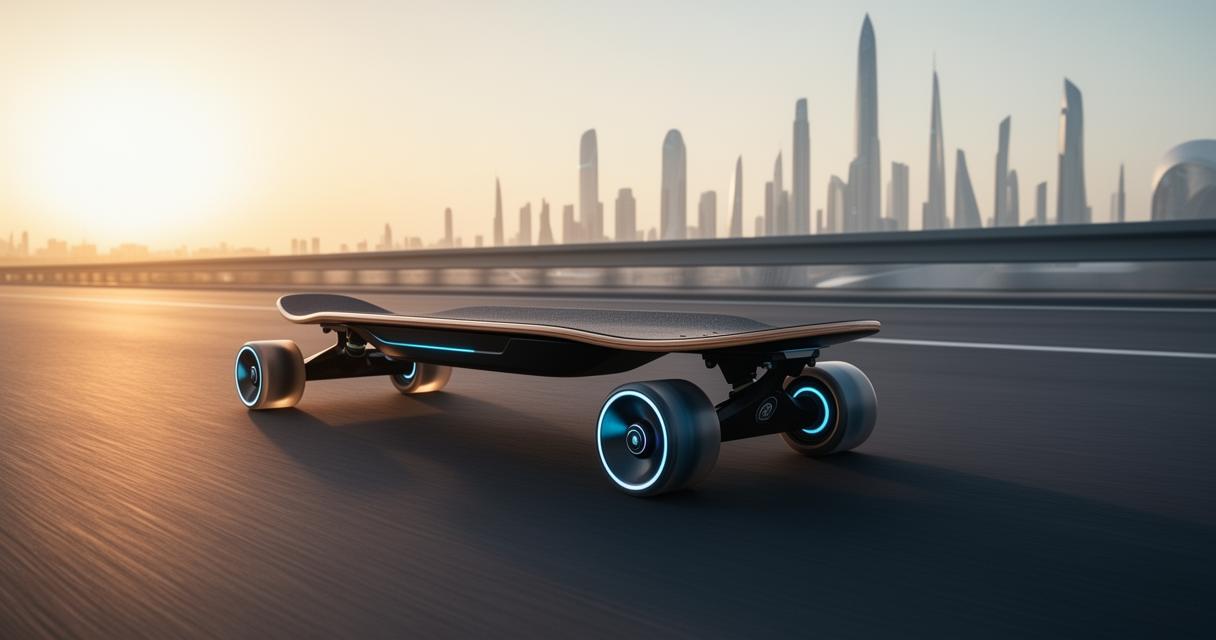
There is something rather clever about how the e-skate has been designed. Rather than abandoning the aesthetics and mechanics that skaters have loved for generations, manufacturers have kept the familiar bones of the sport intact. You will still find proper decks, sturdy trucks, and quality wheels, often sourced from respected names such as Primitive, Santa Cruz, and Bones. The difference lies beneath the surface, where motors and batteries have been tucked away to preserve the classic silhouette that skaters instantly recognise and trust.
How e-skates honour classic skateboarding whilst embracing modern technology
What makes this innovation so compelling is its refusal to abandon tradition for the sake of novelty. Skateboard parts such as bearings, decks, and trucks remain central to the design, meaning that anyone who has ever ridden a standard board will find the transition almost seamless. The result is a product that feels like a logical evolution rather than a departure, appealing to purists who might otherwise dismiss anything with a battery attached.
Bridging generations: from street skating to electric mobility
Skateboarding has fluctuated wildly in popularity over the decades, and pro skaters including Rodney Mullen and Chad Muska have both remarked on what they see as a particularly long-running peak in the sport's current relevance. The e-skate has arrived at precisely the right moment to capture this momentum, offering something for the teenager who grew up watching skate videos on YouTube and the commuter who never quite mastered a kickflip but fancies a smoother way to get to the office.
Accessibility and style: the e-skate's appeal across british demographics
One of the most striking things about the electric skateboard is how it has managed to open the sport up to people who might never have considered picking up a traditional board. There is an inherent gentleness to the learning curve, and this inclusivity is proving to be one of its greatest strengths.
Effortless Commuting: Redefining Urban Transport for Skaters and Newcomers Alike
For many riders, the appeal is entirely practical. London's streets can be gruelling on foot, congested by bus, and expensive by taxi, so an e-skate offers a genuinely appealing alternative. Riders can cover longer distances without the physical exertion that traditional skating demands, making it just as suitable for a leisurely weekend cruise as for a weekday dash to catch a train. Shops such as Slick Willie's Skate Store in London have recognised this shift, offering skate lessons and hire services that cater to newcomers keen to give electric riding a try before committing to a purchase.
From Street Fashion to Luxury Brands: The E-Skate's Impact on British Skate Aesthetics
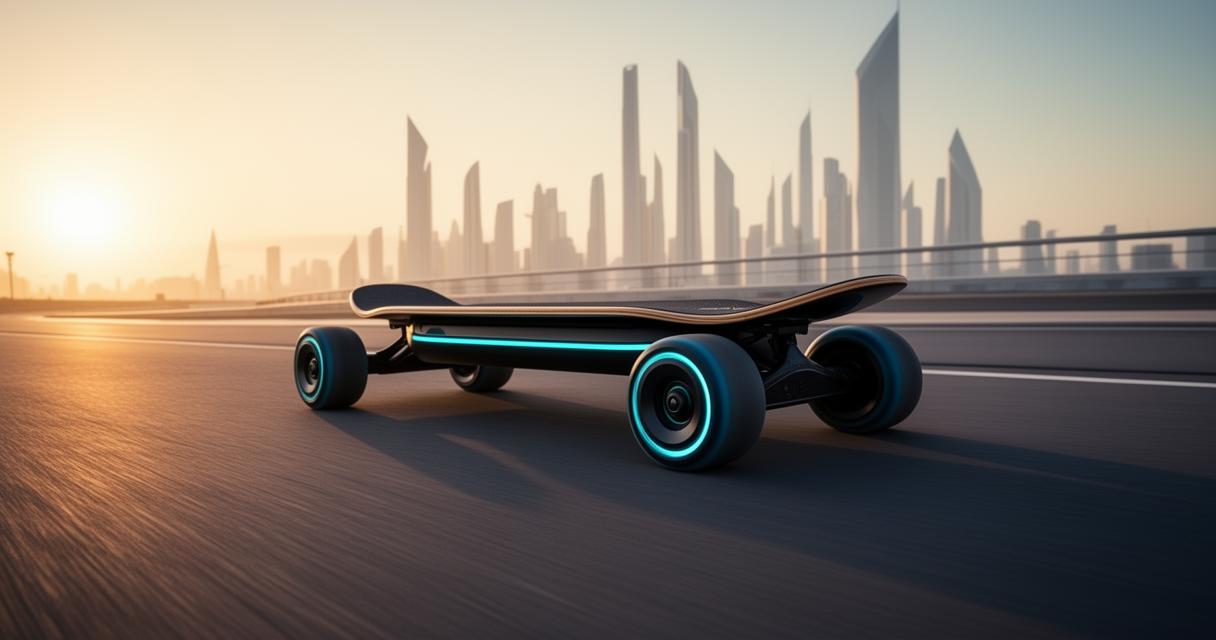
Fashion has never been far removed from skate culture, and the e-skate is no exception. Hoodies, T-shirts, and accessories inspired by classic skate brands continue to dominate wardrobes, whilst protective gear including helmets, knee pads, and elbow pads has become an essential rather than an afterthought. Luxury brands have also taken notice, investing in premium e-skate models built with performance and refined styling in mind, proving that this is a market with genuine staying power rather than a fleeting trend.
- Complete skateboards, cruisers, and surfskates continue to sell alongside their electric counterparts.
- Inline skates, longboards, and roller skates remain popular for those who prefer a different style of riding.
- Sales across skateboard, inline skate, and clothing categories reflect a broader surge of interest in wheeled culture generally.
The Future of Skateboarding: E-Skates in Competitions and Global Recognition
As skateboarding has grown from a subculture into a recognised Olympic sport, it was perhaps inevitable that its electric cousin would begin to carve out its own space in competitions and community events. This progression mirrors the broader journey of skateboarding itself, from something dismissed as a nuisance on street corners to an athletic discipline celebrated on the world stage.
E-Skates Enter the Arena: Competitions, Communities, and the Olympic Legacy
Communities of riders have sprung up across Britain, drawn together by a shared enthusiasm for this hybrid form of skating. These groups often blend freestyle and aggressive skating traditions with newer electric disciplines, creating events that celebrate both heritage and innovation. Pro skater Lizzie Armanto has spoken candidly about the ongoing challenges of sexism within skateboarding, whilst remaining hopeful that the sport, including its electric branches, is becoming more inclusive with each passing year. The language used within skate culture is shifting too, reflecting a broader desire to welcome a wider range of riders regardless of background or ability.
Icons and Influencers: How Tony Hawk and Rodney Mullen Inspire the Next Electric Era
It would be impossible to discuss the trajectory of modern skateboarding without acknowledging the seismic impact of the Tony Hawk Pro Skater video game series, which debuted in 1999 and went on to gross over one billion four hundred million dollars, introducing skate culture to millions who had never set foot on a board. That legacy continues with the release of Tony Hawk's Pro Skater Remastered 1+2, which has reignited nostalgia whilst drawing in a fresh generation of players. Many within the community now regard skateboarding as an art form every bit as much as a sport, and it is this same creative spirit, championed by figures such as Hawk and Mullen, that is now steering the e-skate towards its own place in skateboarding history.