Whether you are scaling mountain trails, surfing coastal breaks, or simply documenting a road trip across the countryside, an action camera has become one of the most indispensable pieces of kit for modern adventurers. Compact, rugged and remarkably capable, today’s best models deliver stunning high resolution video in conditions that would leave a conventional camera in tatters. But with so many options on the market, understanding which features genuinely matter can save you both time and money.
Key takeaways
- Modern action cameras prioritize image stabilization, sensor quality, and build durability over simply having the highest megapixel count.
- Recording at 4K resolution provides professional-grade clarity, while higher frame rates are essential for capturing smooth slow-motion action sequences.
- Advanced electronic image stabilization is critical for eliminating shaky footage when mounting cameras to helmets or handlebars.
- For water-based activities, choosing a device with a high waterproof depth rating and robust construction is necessary to ensure the camera survives extreme environments.
- Battery life and storage capacity are vital practical factors, as high-resolution video quickly drains power and consumes significant memory space.
- A camera’s versatility is heavily dependent on its compatibility with a wide range of mounting accessories like chest harnesses, helmet mounts, and suction cups.
Key Technical Features to Look for in an Action Camera
When beginning your search, it helps to think practically about where and how you plan to use your camera. Most outdoor photographers will tell you that the right combination of image stabilisation, sensor quality and build toughness makes far more difference than raw megapixel counts alone. A well-chosen AgfaPhoto action camera from the Realimove range, for instance, offers an accessible entry point for those stepping into adventure photography without immediately investing in a top-tier model.
Resolution, frame rate and image stabilisation explained
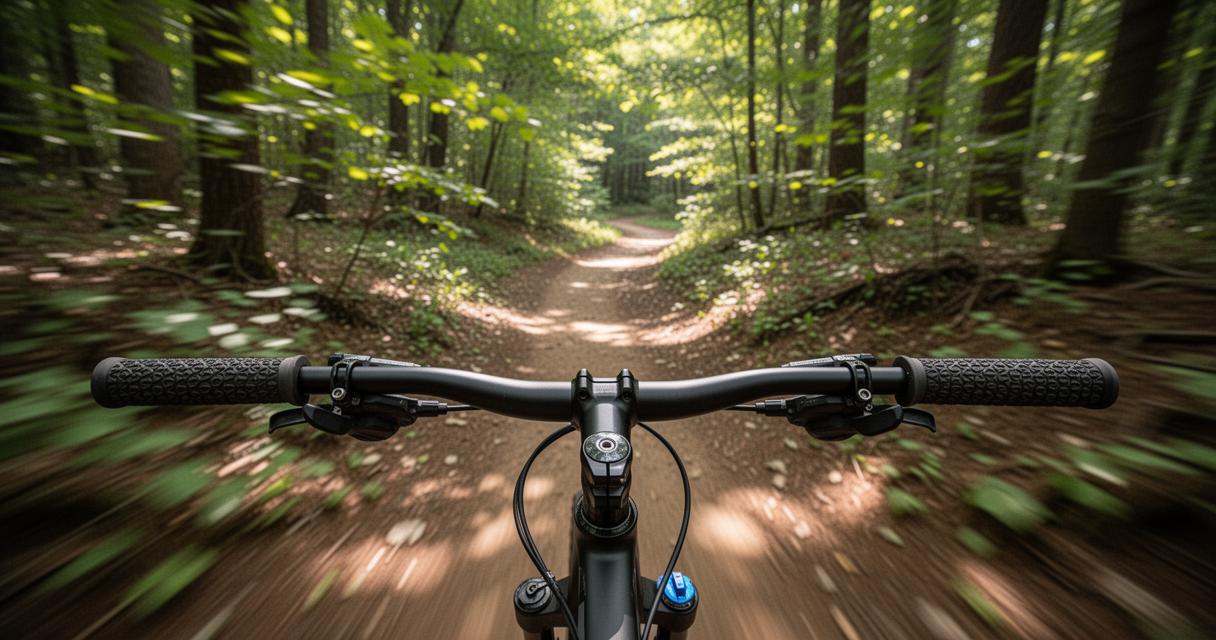
Modern action cameras are widely expected to offer at least 4K video recording, and the market has responded accordingly. At this resolution, footage is crisp enough for both personal viewing and content creation across social platforms. Frame rate matters enormously as well — higher frame rates allow smooth slow-motion playback, which is particularly appealing for sports and action sequences. Alongside resolution, image stabilisation is arguably the most important technical feature to scrutinise. Electronic stabilisation technology has advanced considerably, helping eliminate the shaky, nauseating footage that once plagued helmet and handlebar mounted cameras. Broadly speaking, cameras with larger camera sensor sizes also tend to perform better in low light conditions, capturing cleaner images during dawn hikes or dusk surf sessions.
It is also worth noting that 360 degree camera models have carved out a significant niche in the market. These devices capture an entire spherical field of view, enabling immersive storytelling that a standard wide-angle lens simply cannot replicate. Some models in this category record at resolutions of 8K, offering extraordinary detail even after the footage is cropped or reframed in editing.
Waterproofing, Durability and Build Quality for Outdoor Use
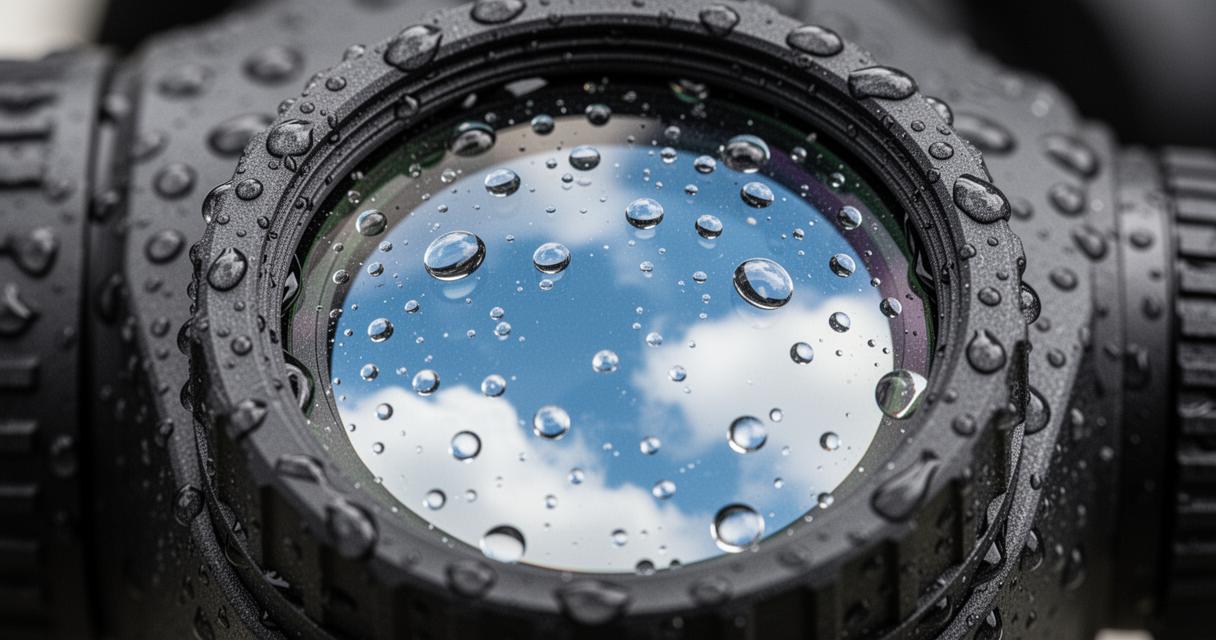
A genuinely rugged camera must withstand more than the odd rain shower. For water sports enthusiasts and divers, a waterproof camera with a meaningful depth rating is non-negotiable. Some mini action cameras on the market are waterproof to considerable depths without requiring an additional housing, which greatly simplifies preparation before a dive or a kayaking session. Beyond water resistance, look for cameras that can endure drops, dust, and temperature extremes — particularly if your adventures take you into demanding terrain. Build quality is one area where paying slightly more tends to reward you with longevity.
Practical considerations before buying your action camera
Technical specifications alone do not tell the whole story. The best portable camera for adventure use is ultimately the one you will actually carry and use consistently, which means battery life, storage and ease of mounting all deserve careful thought.

Battery life, storage options and connectivity
Few things are more frustrating than a flat battery halfway through a long trail run or a multi-pitch climb. Battery life varies considerably across models — some can manage two hours of continuous 4K video recording, while others require more frequent recharging or spare batteries. It is sensible to purchase at least one extra battery before your first trip, and replacement batteries for action cams are generally available at modest prices. For storage, most digital video cameras and action cams use removable SD cards, although some higher-end models now incorporate built-in storage that supplements card capacity. High resolution video files are large, so planning your storage accordingly will prevent unwanted interruptions. Connectivity features such as Wi-Fi and Bluetooth allow quick transfer of footage to a smartphone, which is increasingly important for those producing vlogging equipment-centred content on the go.
Mounting Versatility and Compatibility with Your Adventure Gear
The true versatility of an action cam reveals itself in its mounting options. A comprehensive range of action cam accessories — chest harnesses, helmet mounts, handlebar clamps, and suction cups for vehicles — dramatically expands the creative possibilities available to you. When evaluating a camera, consider whether its mounting system is compatible with accessories you already own or plan to purchase. A compact camera that supports a broad ecosystem of mounts will serve you far better across varied activities than one locked into a proprietary system. For those focused on outdoor photography and video camera for sports applications, this flexibility can be the deciding factor between a camera that gets used on every trip and one that stays on the shelf.