There is something quite special about the moment a room fills with sound so precise that you forget you are listening to speakers at all. Whether you are building a dedicated listening space or upgrading your home cinema, understanding what separates a decent speaker from a truly exceptional one can transform how you experience music and film alike. This journey through the world of hi-fi speakers takes in both heritage and innovation, offering a grounded look at what actually matters when you are ready to invest in your sound.
In brief
- The evolution of hi-fi speakers began with classic designs that prioritized sturdy cabinets and foundational driver technology, creating a legacy of sound quality that remains respected today.
- Modern audio standards have been redefined by manufacturers like Focal and Bowers & Wilkins, who utilize advanced materials like beryllium to achieve greater precision and clarity.
- Selecting the right speaker type—such as bookshelf, floorstanding, or centre channel—is critical for balancing space constraints with the desired acoustic depth for music and cinema.
- Premium brands like Sonus Faber and Elipson emphasize a blend of high-end craftsmanship and specialized engineering to reduce interference and enhance tonal performance.
- Understanding technical specifications like RMS power handling and sensitivity is essential for ensuring speakers match effectively with a user's existing amplifier.
- Optimizing room acoustics and speaker positioning is just as important as the equipment itself, as placement significantly influences stereo imaging and bass control.
From Vintage Soundscapes to Modern Acoustic Excellence: Tracing the Timeline of Hi-Fi Speaker Development
The Golden Age of Classic Hi-Fi: Pioneers and Performance Foundations
The story of hi-fi speakers begins decades ago, when engineers first grappled with the challenge of reproducing sound with genuine fidelity rather than mere volume. Early designs prioritised sturdy cabinets and simple crossover networks, laying foundations that many audiophiles still admire today. These pioneering models were often bulky, built from solid timber, and designed with a philosophy that favoured warmth and richness over technical perfection. It was during this period that the fundamentals of driver technology, cabinet resonance, and frequency response were established, giving later generations of engineers a solid platform to build upon. Collectors and enthusiasts continue to seek out these vintage units, not out of nostalgia alone, but because the craftsmanship embedded within them still holds its own against contemporary rivals in certain respects.
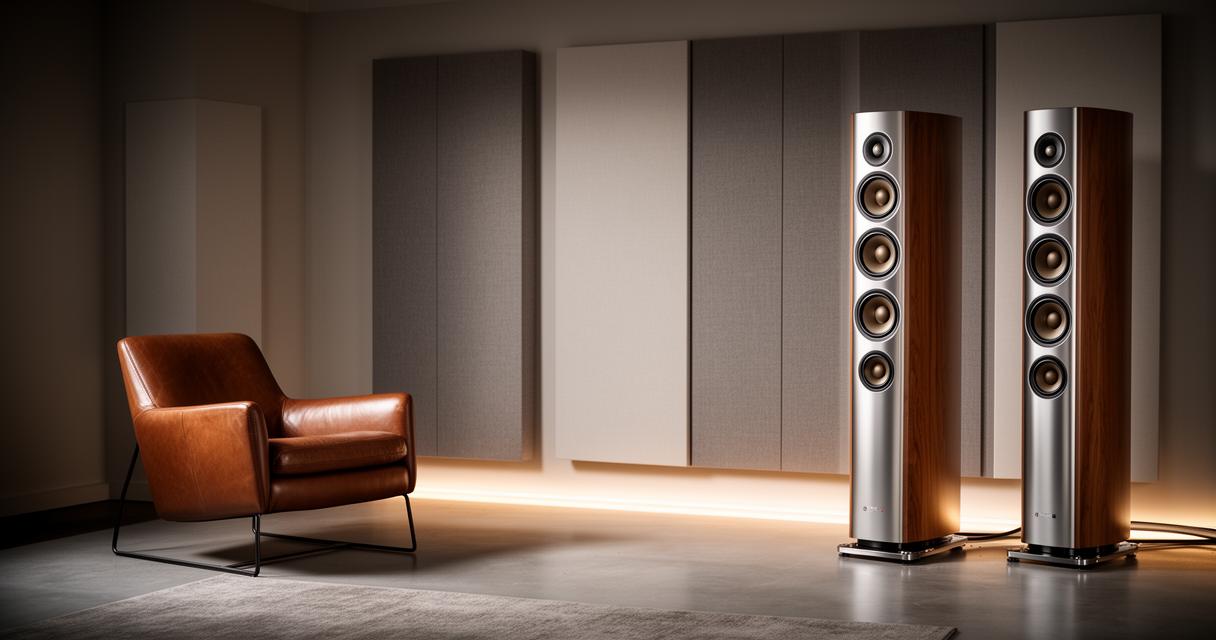
Fast forward to today, and the landscape has shifted dramatically thanks to manufacturers such as Focal and Bowers & Wilkins, who have pushed material science and acoustic engineering into new territory. Advanced diaphragm materials, including beryllium and woven composites, allow for lighter, stiffer drivers capable of producing detail that older designs simply could not achieve. Bowers & Wilkins, in particular, became known for its distinctive tweeter-on-top designs, which reduce cabinet interference and deliver a startlingly clean top end. Focal, meanwhile, has focused heavily on proprietary driver technology developed in France, bringing a level of precision engineering that has earned it a loyal following among serious listeners. These innovations have not simply improved sound quality in isolation; they have redefined what people expect from a modern speaker, whether it sits in a dedicated music room or forms part of a broader home cinema setup.
Choosing the Perfect Hi-Fi Speaker: Balancing Sound Quality, Bass Performance, and Design for Music and Cinema
Bookshelf, Column, and Centre Speakers: Understanding Types and Their Impact on Your Listening Experience
Selecting the right speaker type is arguably one of the most important decisions in building a satisfying setup. Bookshelf speakers remain a popular choice for smaller rooms or as part of a stereo pairing, offering a compact footprint without sacrificing clarity. Column speakers, sometimes called floorstanders, bring a fuller low-end presence and are often favoured by those who want a more immersive listening experience without relying heavily on a separate subwoofer. For home cinema enthusiasts, the centre speaker plays a particularly crucial role, as it carries the bulk of dialogue and needs to blend seamlessly with the front left and right channels. Getting this balance right can be the difference between a flat, disjointed soundstage and one that feels genuinely cinematic. Many listeners find that a mixed approach, combining floorstanders for music with a dedicated centre channel for film, offers the best of both worlds.
Premium Models from Sonus Faber and Elipson: Evaluating Price Range, RMS Power, and Sensitivity Ratings
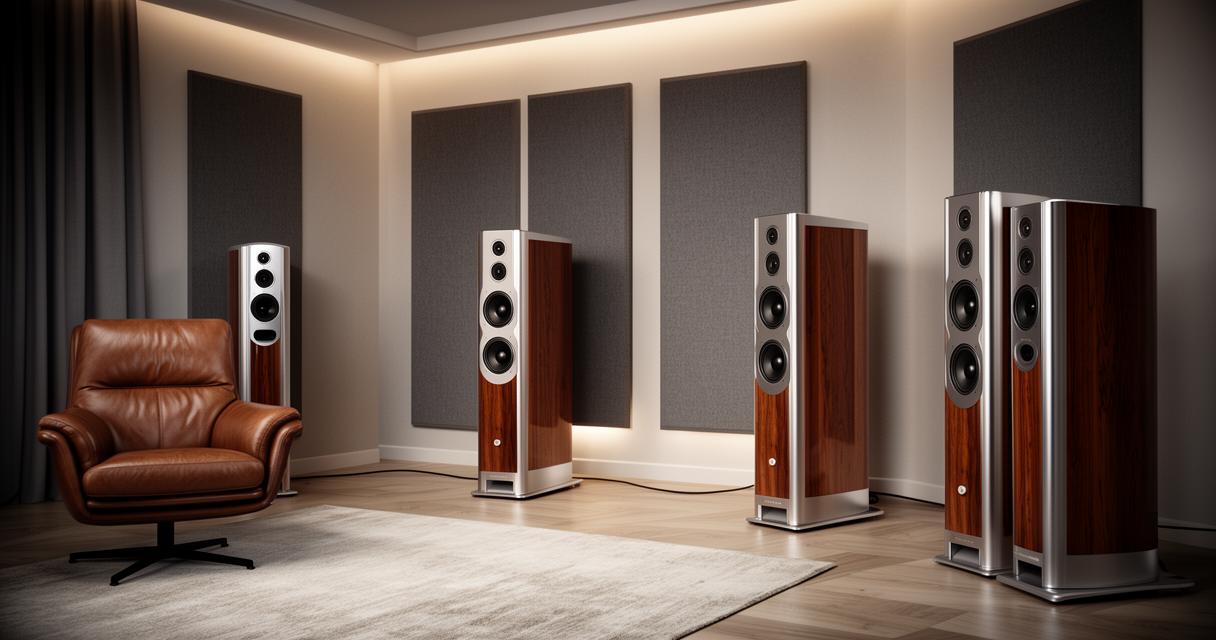
When it comes to premium options, brands such as Sonus Faber and Elipson consistently draw attention for their blend of craftsmanship and performance. Sonus Faber, with its Italian heritage, produces speakers that are as much a statement of design as they are an audio investment, often featuring lute-shaped cabinets and rich, warm tonal signatures. Elipson, on the other hand, has carved out a niche with its distinctive spherical designs, which reduce internal standing waves and contribute to a remarkably clean sound. Price ranges across these premium brands can vary enormously, and it is worth paying close attention to specifications such as RMS power handling and sensitivity ratings, since these figures give a realistic indication of how a speaker will perform with your existing amplifier. A speaker with higher sensitivity will generally produce louder sound for the same amount of power, which matters considerably if you are pairing speakers with a modest amplifier rather than a high-powered unit.
Installation Insights and Aesthetic Choices: Maximising Your Hi-Fi Setup with Design and Placement
Practical Considerations for Speaker Installation: Room Acoustics and Optimal Positioning
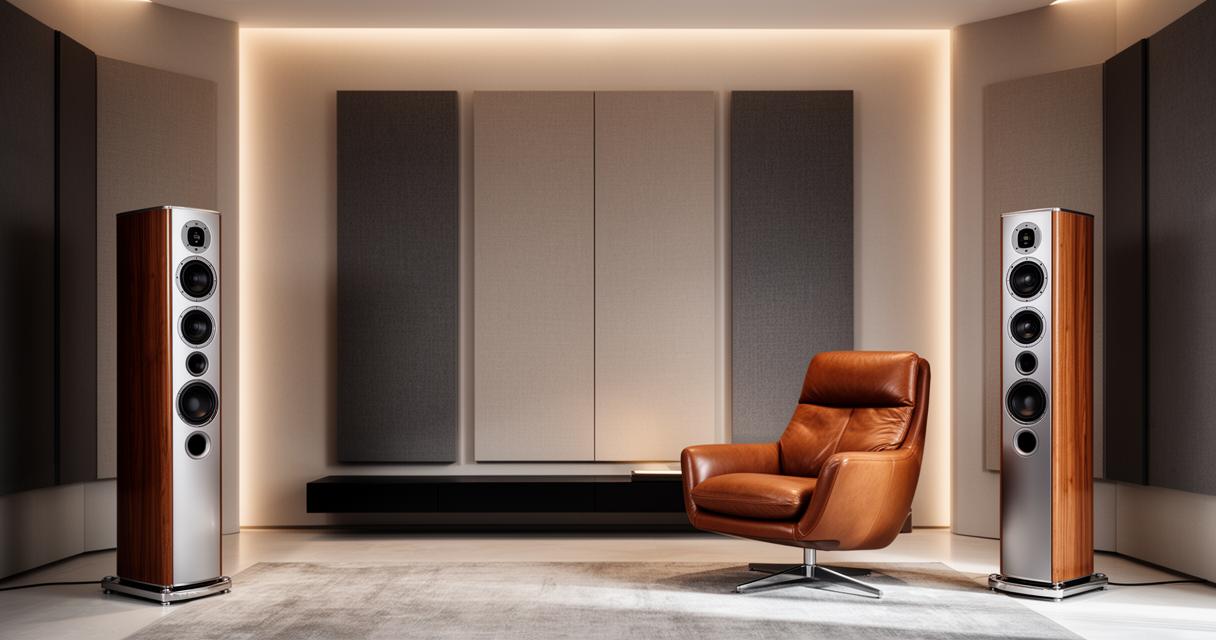
Even the finest speakers can underperform if installation is treated as an afterthought. Room acoustics play a surprisingly large role in shaping how sound behaves, with hard surfaces reflecting high frequencies and soft furnishings absorbing them, sometimes unevenly. Positioning speakers away from corners can help reduce unwanted bass build-up, while ensuring a symmetrical setup relative to your listening position often improves stereo imaging considerably. For home cinema systems, careful placement of the centre channel and surrounds becomes just as important as the main speakers themselves, since an unbalanced configuration can undermine the sense of immersion that a good film soundtrack is meant to deliver. Taking the time to experiment with placement, rather than simply pushing speakers against a wall, often yields noticeably better results without spending a single extra penny.
Colour and Style: From High Gloss Black Finishes to Cube and Concept Designs That Complement Your Space
Beyond performance, aesthetics have become an increasingly important factor for buyers who want their hi-fi setup to feel like a natural part of their home rather than an intrusive piece of equipment. High gloss black finishes remain a perennial favourite, offering a sleek, understated look that suits both traditional and modern interiors. At the same time, more experimental shapes, such as cube-style enclosures and sculptural concept designs, have gained popularity among those who want their speakers to double as design statements. Manufacturers have responded by offering a wider palette of finishes and forms, recognising that sound quality alone no longer guarantees a sale when consumers are equally invested in how a piece looks within their living space. Ultimately, the best hi-fi speakers manage to marry exceptional acoustic performance with a design sensibility that feels considered rather than incidental, proving that great sound and great style need not be mutually exclusive.