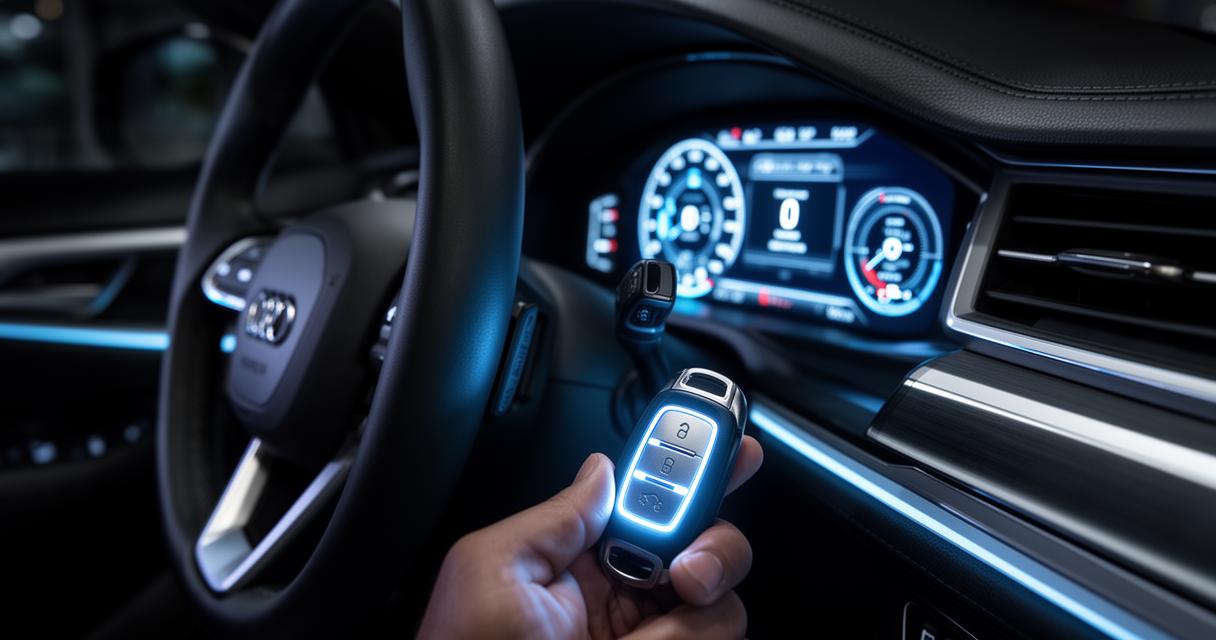
The modern connected house has transformed the way we think about everyday conveniences, and the humble garage door is no exception. As home automation continues to expand across British households, the smart garage door opener has emerged as one of the most practical and security-conscious upgrades a homeowner can make. Whether you are embarking on a full smart home integration project or simply looking to add a layer of convenience to your daily routine, understanding how these systems work — and what to look for — is essential before you invest.
In brief
- Smart garage door openers allow homeowners to remotely monitor and control their garage doors via smartphone apps, providing real-time status updates and activity logs.
- Integration with home automation hubs enables seamless interaction between the garage door and other devices, such as synchronized lighting and security system arming.
- When selecting a system, it is crucial to evaluate the compatibility of the existing door mechanism, as older manual doors may require expensive conversions.
- Reliable smart systems must include manual overrides and battery backups to ensure access and security during power or internet outages.
- A strong Wi-Fi signal in the garage is essential for system performance, and potential buyers should consider ongoing costs like cloud subscriptions.
- Beyond convenience, smart garage integration can enhance home energy efficiency by coordinating with thermostats and automated shutters based on occupancy.
Essential smart garage door features for modern home security
When evaluating automated garage doors, it is important to appreciate just how far the technology has come. Today’s systems go well beyond a simple remote control fob. They connect seamlessly to your home network, communicate with your smartphone or tablet, and can even interact with other connected home devices to create a genuinely intelligent environment. The starting point for any savvy homeowner is understanding which features genuinely add value and which are merely marketing flourishes.
Remote Monitoring and Control via Smartphone Systems
One of the most compelling advantages of a smart garage door opener is the ability to monitor and control your door from virtually anywhere. Through dedicated apps, homeowners receive real-time door status notifications, meaning you will always know whether your garage is open or closed — even when you are miles away. This level of garage door monitoring brings considerable peace of mind, particularly for those who have a habit of second-guessing themselves on the morning commute. Beyond simple open and close commands, many systems also offer activity tracking, so you can review a log of who accessed the garage and when. Prices for smart openers available on the UK market range from around £40 to £130, making entry into this technology accessible for most budgets. Professional installation, should you prefer not to tackle it yourself, typically costs between £70 and £200, with rates tending to be higher in London. For those happy to roll up their sleeves, a DIY installation generally takes between 45 and 90 minutes.
Integration with your centralised home automation hub
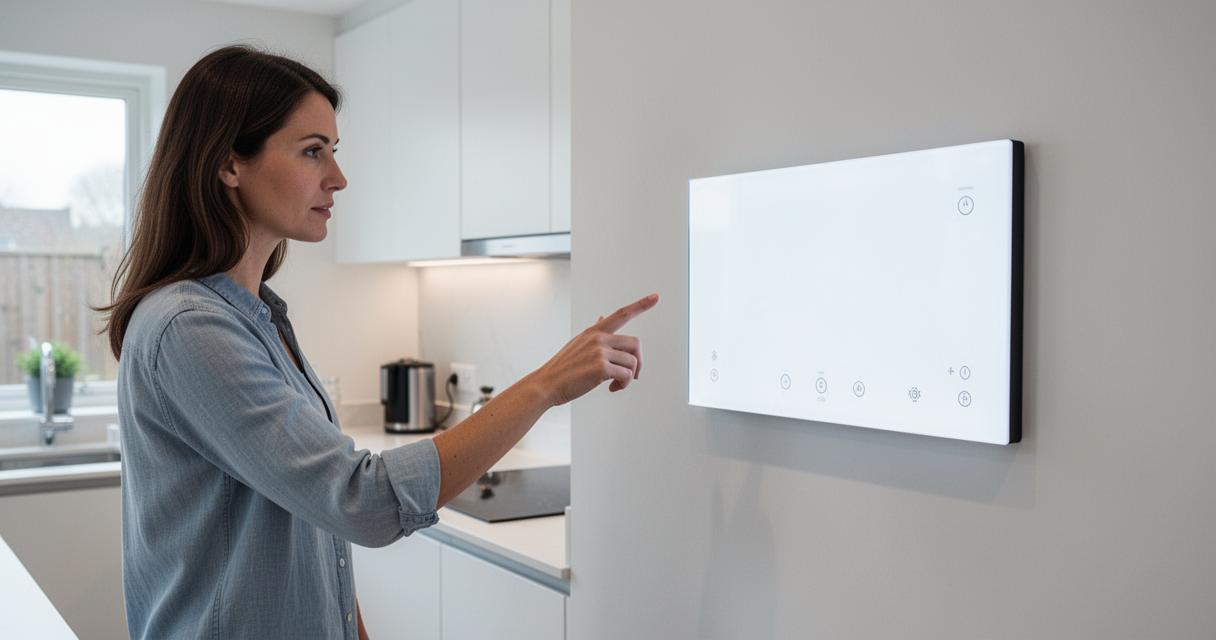
A truly connected home thrives on devices that speak to one another, and the garage door is no different. Many modern systems are compatible with broader home automation platforms, allowing your door to become part of a wider ecosystem. Applications such as the Somfy app, for instance, enable control of multiple home devices from a single interface, and scenarios can be programmed so that, say, your automated lighting systems switch on at dusk as your door opens. This kind of seamless orchestration turns routine tasks into effortless experiences. When selecting a system, it is worth checking compatibility with the home automation hub you already use or plan to install, whether that centres on a Google-based assistant or another platform.
Key Criteria for Choosing the Ideal Motorised System
Choosing the right electric garage door system involves more than picking the most app-savvy option on the shelf. The physical characteristics of your garage and door type play just as significant a role as the digital features. Getting this balance right from the outset will save both time and money in the long run.
Evaluating drive mechanisms and power output options
Not every garage door is equally suited to smart automation. Electric up-and-over doors and sectional garage doors tend to be the most compatible with smart technology, offering a straightforward path to connectivity. Older manual doors, which remain common in many UK properties, may require conversion before a smart opener can be fitted, with conversion costs starting at around £350. It is therefore wise to assess your existing door type before committing to a particular system. Key criteria to compare when selecting a unit include door compatibility, the quality and reliability of the associated app, the strength of your Wi-Fi signal in the garage area, and the user management capabilities on offer. A poor Wi-Fi connection can undermine even the most sophisticated opener, though extenders or mobile hotspots can help address this.
Ensuring robust battery backup and manual access
A smart garage door is only as reliable as the infrastructure supporting it. Power cuts and internet outages are infrequent but inevitable, so any system worth considering should include a battery backup and a straightforward manual override. These features ensure you are never locked out of your own garage during an outage, maintaining both security and convenience. Ongoing running costs for wifi garage control systems are generally modest — as low as £5 annually for basic setups — though some manufacturers do require a cloud subscription, which can run between £20 and £40 per year. It is also sensible to ask any installer about obstacle detection capabilities and to request a Wi-Fi signal test before the system is commissioned, as these factors directly affect daily reliability.
Integrating garage access with broader smart home solutions
A smart home integration project rarely ends with a single device. The real value of home automation reveals itself when individual systems begin working together, creating an environment that responds intelligently to your habits and preferences. The garage door, as a primary entry and exit point for most households, is ideally positioned to act as a trigger for a broader set of automated behaviours.
Automating lighting and security sensors upon entry
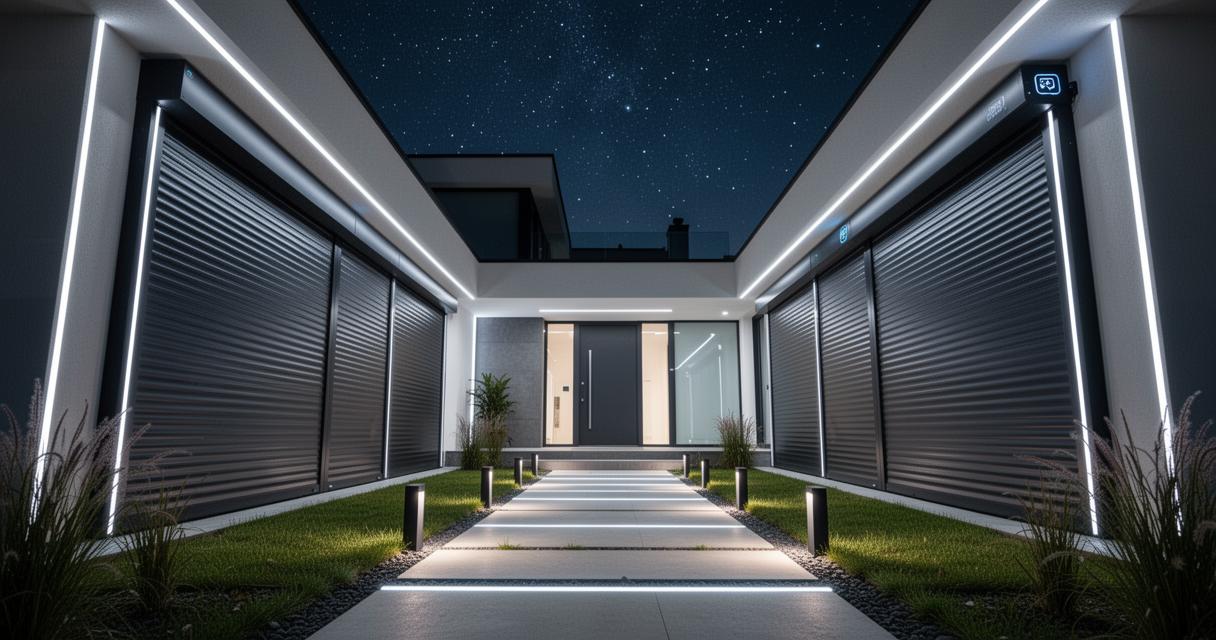
Linking your smart garage door opener to automated lighting systems and security sensors is one of the most practical automations you can introduce. When the door opens in the evening, interior lights can activate automatically; when it closes at night, the security system can arm itself. LED lighting options are available alongside some smart door systems, offering both energy efficiency and crisp illumination. Alarm systems can also be incorporated, adding a further layer of smart security features that operate in concert rather than in isolation. This kind of layered approach to garage door security makes the home genuinely more resilient against intrusion while reducing the mental load on its occupants.
Managing energy efficiency and rolling shutter controls
Beyond security, smart home energy savings represent a meaningful benefit of a well-designed home automation setup. When your garage door communicates with a smart thermostat, for example, the heating system can adjust automatically whenever you leave or return — avoiding the energy waste of heating an empty house. Similarly, rolling shutter controls can be incorporated into the same ecosystem, allowing blinds and shutters to respond to temperature, daylight, or user-defined schedules. This convergence of connected home devices — spanning heating, lighting, rolling shutters, and access control — is what elevates a house from merely convenient to genuinely intelligent. As your confidence with the system grows, expanding the installation to include additional smart home devices becomes a natural and satisfying progression, building a home that truly works for you.