Large format 3D printing has moved from niche workshops into the mainstream, giving hobbyists and professionals alike the chance to produce sizeable, functional objects without splitting them into smaller sections. Whether you are eyeing a 3D printer kit for the first time or upgrading to something with a larger build volume, understanding the technology, materials, and practical assembly steps will save you both money and frustration.
At a glance
- Large format 3D printing allows for the creation of sizeable, functional objects without the need to assemble smaller sections.
- FDM printing is the most recommended technology for beginners due to its optimal balance of affordability, reliability, and print volume compared to SLA or SLS.
- Selecting the right filament, such as PLA for ease of use or PETG for durability, is crucial to the success and structural integrity of large-scale projects.
- When evaluating printers, users must weigh build volume, print speed, and long-term maintenance costs rather than focusing solely on the initial purchase price.
- Assembling a printer from a kit can provide significant cost savings and a deeper understanding of machine functionality for the user.
- Achieving professional-grade results requires attention to mechanical details like bed levelling, motor calibration, and a sturdy frame construction.
- Engaging with the 3D printing community and utilizing online forums provides essential support for troubleshooting common assembly and operational issues.
Understanding large format 3d printing technologies and their applications
Before investing in any machine, it helps to understand what separates the main printing technologies from one another. FDM printer setups remain the most popular choice for beginners thanks to their affordability and straightforward operation, whilst SLA and SLS machines cater to those seeking finer detail or industrial-grade strength. Each technology suits different projects, so matching the method to your intended output is essential before committing to a purchase.
Comparing FDM, SLA, and SLS Technologies for Large-Scale Projects
FDM machines work by extruding melted filament layer by layer, making them ideal for large, sturdy prints such as furniture components or enclosures. SLA printers use resin cured by light, producing exceptionally smooth finishes but typically with smaller build volumes and higher running costs. SLS, meanwhile, sinters powdered material with a laser, offering strength and detail suited to professional applications, though the equipment tends to be pricier and less accessible for home users. For most people starting out, an FDM printer strikes the best balance between cost, reliability, and print size.
Key considerations when selecting materials: pla, abs, petg, bamboo, and carbon filaments
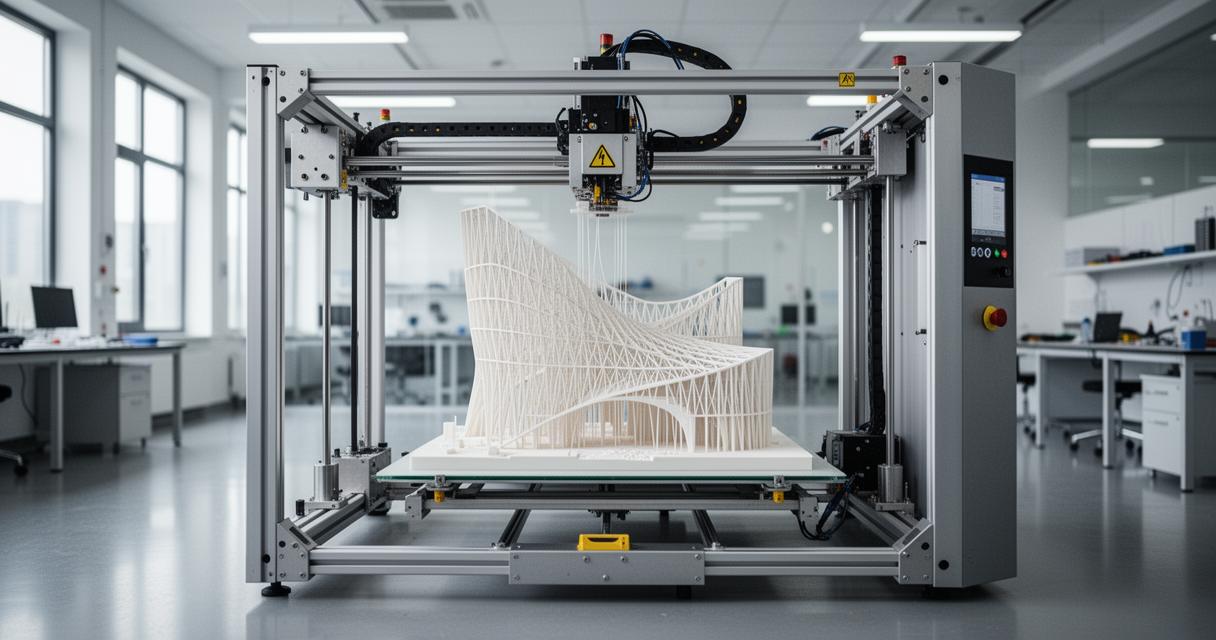
Material choice can make or break a large-format project. PLA remains the go-to for beginners owing to its ease of use and minimal warping, whilst ABS offers greater durability for parts exposed to heat or stress. PETG bridges the gap between the two, providing flexibility and strength for outdoor or mechanical components. More adventurous makers might explore bamboo-infused or carbon filaments, which add unique textures or reinforced rigidity respectively, though these often demand a hardened nozzle and more precise temperature control. Considering your project’s purpose alongside the filament’s properties will help avoid costly trial and error.
Evaluating large volume printers: price, quality, and performance metrics
Choosing the right machine involves weighing several factors together rather than focusing on price alone. Build volume, print speed, and overall reliability all influence the final result, and it is worth considering your budget against how frequently you intend to use the printer. Brands such as Creality, Prusa, and Anycubic have built strong reputations in the UK market, each offering models that cater to different levels of experience and ambition.
Top Recommendations for Beginners: Anycubic and Kobra Printer Reviews
For those new to large format printing, the Anycubic range consistently receives praise for its balance between affordability and performance, particularly for users wanting a generous build volume without breaking the bank. The Kobra series, in particular, has become a favourite amongst newcomers thanks to its simple setup process and dependable print quality straight out of the box. Many enthusiasts on forums and social media groups recommend starting with these models before progressing to more specialised machines as skills and requirements grow.
Balancing Print Speed, Quality, and Cost-Effectiveness in Your Choice
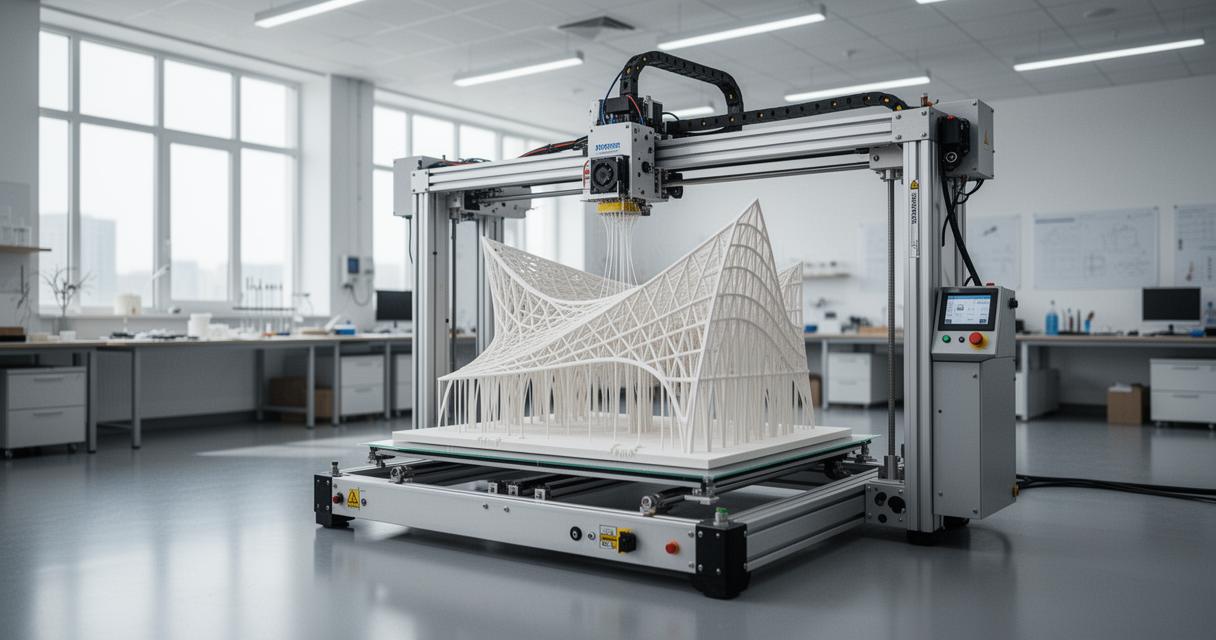
It is tempting to chase the fastest printer available, but speed often comes at the expense of surface finish or dimensional accuracy. A sensible approach involves testing different speed settings on smaller prints before committing to lengthy large-format jobs. Cost-effectiveness should also account for ongoing expenses such as filament, replacement nozzles, and maintenance parts, all of which add up over time regardless of the initial purchase price.
Maximising functional capabilities of large format 3d printers
Getting the most from a large format machine requires attention to both the hardware itself and the habits you develop whilst building and operating it. Assembling a kit from scratch, rather than buying a pre-built unit, offers valuable insight into how the printer functions and often results in significant cost savings, though it does demand patience and a methodical approach.
Essential Features and Specifications for Professional-Grade Projects
Professional-grade results depend on more than just a large build plate. Reliable bed levelling systems, accurate motor calibration, and sturdy frame assembly all contribute to consistent output across long print runs. Before starting assembly, gather the essential tools you will need, including:
- Screwdrivers and hex keys for frame and motor installation
- A multimeter and soldering iron for electronics wiring
- Pliers, wire cutters, zip ties, and a hot glue gun for tidy component alignment
Having these ready before you begin prevents unnecessary delays partway through the build.
Practical Tips from the 3D Printing Community for Optimal Results
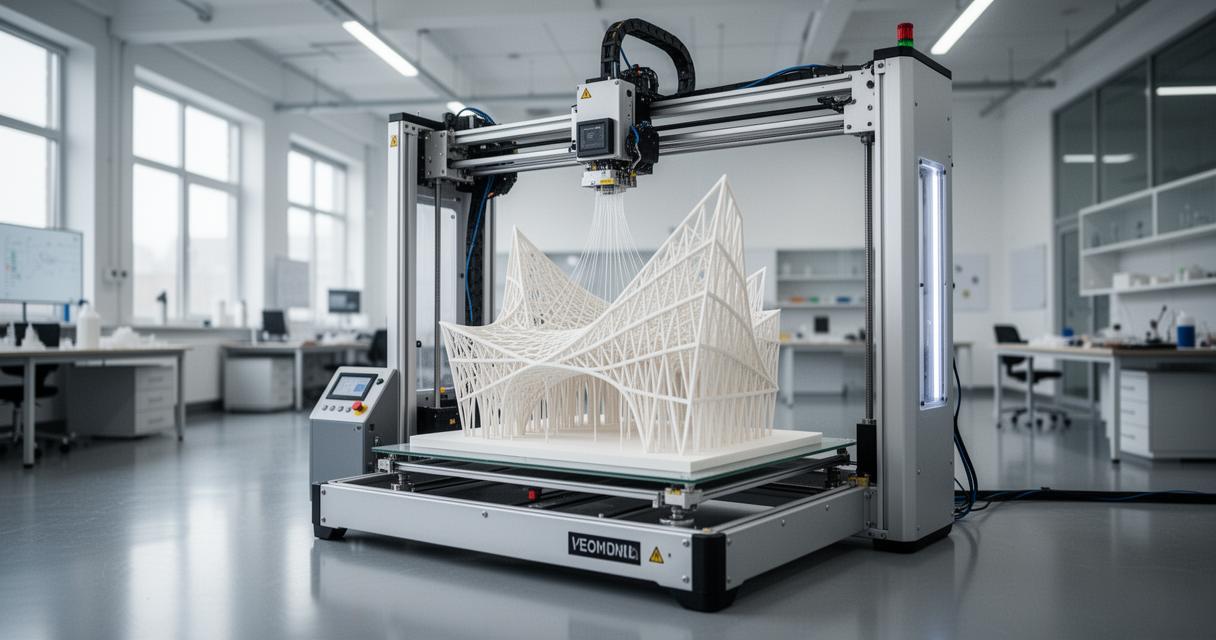
The wider 3D printing community offers a wealth of practical wisdom for anyone assembling their own machine. Reading through the full instructions before starting, organising parts methodically, and working under good lighting all reduce the likelihood of mistakes during assembly. Joining online forums or local maker spaces provides ongoing support, particularly when troubleshooting issues such as inconsistent power supply, faulty wiring, uneven bed levelling, or disappointing print quality. Retailers including Amazon UK, eBay, iMakr, and Technology Outlet stock a wide range of kits and spare parts, making it straightforward to source replacements or upgrades as your project develops. Whilst building a printer from a kit can present its share of challenges, the knowledge gained and the satisfaction of producing your first large-scale print make the effort thoroughly worthwhile for anyone willing to give it a go.